
(561) 513-5296Contact Us
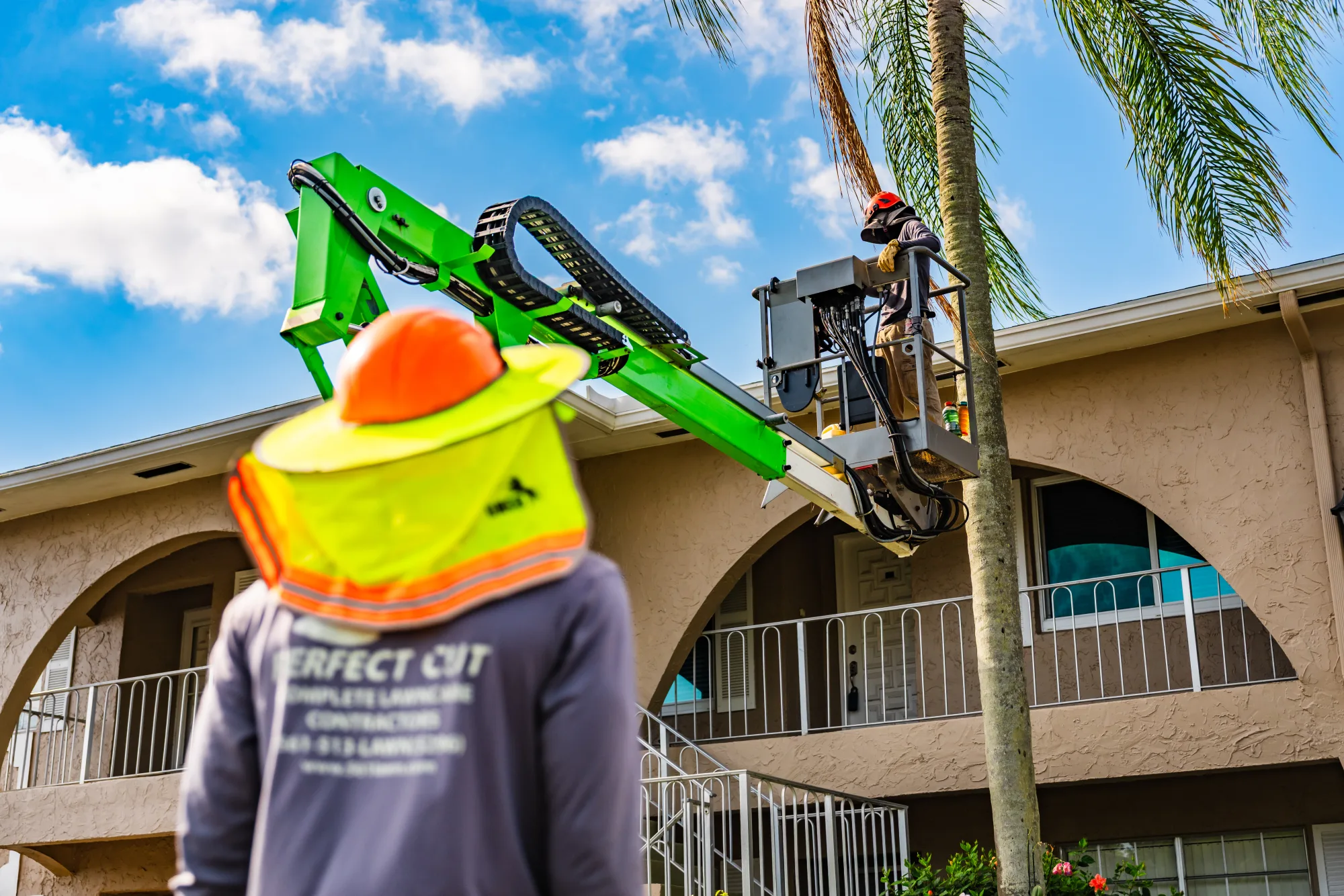
The storm moved through overnight. By 7 a.m. there's a large limb across the main entry, a hedge flattened against the clubhouse fence, and water sitting over two storm inlets nobody can find under the debris. The landscape crew is ready to work. What they need is a yes.
The board president is out of state. The treasurer isn't answering. The property manager isn't sure whether clearing the entry falls under the contract or needs a vote.
That's how a two-day cleanup turns into a week. Residents have trouble getting in and out, emergency access is compromised, and the next board meeting becomes an argument about who should have done what. Very little of that is about the storm itself. It's about decisions that should have been made before the season started.
Because associations are built to move carefully. Spending decisions go through the board, the board needs a quorum, and nobody wants to be the one who approved work that wasn't authorized. That caution makes sense in March. It's a problem the morning after a hurricane.
Your landscape contractor can't freelance on common property. We don't want to cut, haul, or remove anything on an association's grounds without clear direction, and we shouldn't. So when the chain of approval is unclear, everyone waits. Crews get pulled to other communities that already said yes.
This is the single most useful thing a board can settle ahead of time. Many communities adopt a standing resolution that gives the property manager, or one designated board member, authority to approve emergency landscape work up to a set amount. The board picks the number based on its reserves and its comfort level.
Name a backup, too. Storms have a way of hitting when the one person with authority is traveling or dealing with damage at their own home. Check your governing documents and talk with your association's counsel about how to structure this properly. The point is that someone on the ground can say yes without convening a meeting.
If the board hasn't agreed on priorities, the crew either waits for direction or makes a judgment call someone will second-guess later. A short, agreed order of operations fixes that. For most Wellington communities it looks something like this:
Notice that the clubhouse landscaping and the entry monument plantings are at the bottom. They matter, and residents will notice them. But nobody's safety depends on a flattened hedge, and boards that agree on that in advance save themselves a lot of phone calls.
More than most boards think. Wellington communities tend to have mature trees spread across large common areas, and a fair share of storm damage comes from problems that were visible months earlier. Dead wood, overly dense canopies that catch wind, limbs extending over roofs and roadways, trees that have started to lean.
Pre-season commercial tree services focused on risk mitigation won't make a property stormproof. Nothing does. What it does is reduce the amount of material that comes down and the number of places it can land.
One caution. Tree removals and some types of trimming can require permits, and the rules vary. Check with the Village of Wellington and Palm Beach County before you plan removals, so the work isn't held up when you want it done.
Wellington is flat, and heavy rain has to go somewhere. After a storm, debris clogs inlets and swales fast, which is why drainage structures sit near the top of the priority list above. But clearing debris only helps if the drainage was working to begin with.
If the board already knows about areas that hold water after an ordinary afternoon storm, a hurricane will make them worse. Those are worth addressing in the off-season with French drains and drainage solutions, not during a cleanup when everyone is stretched thin.
Your maintenance agreement should make clear what counts as routine work and what counts as storm work. Most boards have a good handle on the first part. The second part is often a single vague line, or nothing at all.
Worth settling: how storm work gets requested, who on your side approves it, and how it's handled separately from the regular maintenance scope. We'd much rather have that conversation in a spring board meeting than on the phone at 7 a.m. with a tree in the road. If your community is reviewing its HOA landscaping arrangement, storm language belongs on the agenda.
What's the most important storm decision an HOA board can make in advance? Giving someone on the ground the authority to approve emergency landscape work without waiting for a board meeting, with a named backup.
Should the board set cleanup priorities before a storm? Yes. Agreeing that access, safety, and drainage come before appearance keeps crews working instead of waiting for direction.
Do we need permits for pre-season tree work in Wellington? Sometimes. Check with the Village of Wellington and Palm Beach County before scheduling removals.
If your board wants its storm decisions settled before the next system shows up, call Perfect Cut Landscaping at (561) 513-5296 or reach us through our contact form to talk about HOA landscaping in Wellington, FL. We're family-run by the Snellman brothers, licensed and insured, and serving communities throughout key areas of Palm Beach County since 2017.
Tell us about your property and we will arrange a site walk and a clear proposal. No pressure, no vague numbers.
Begin Your Property Review