
(561) 513-5296Contact Us
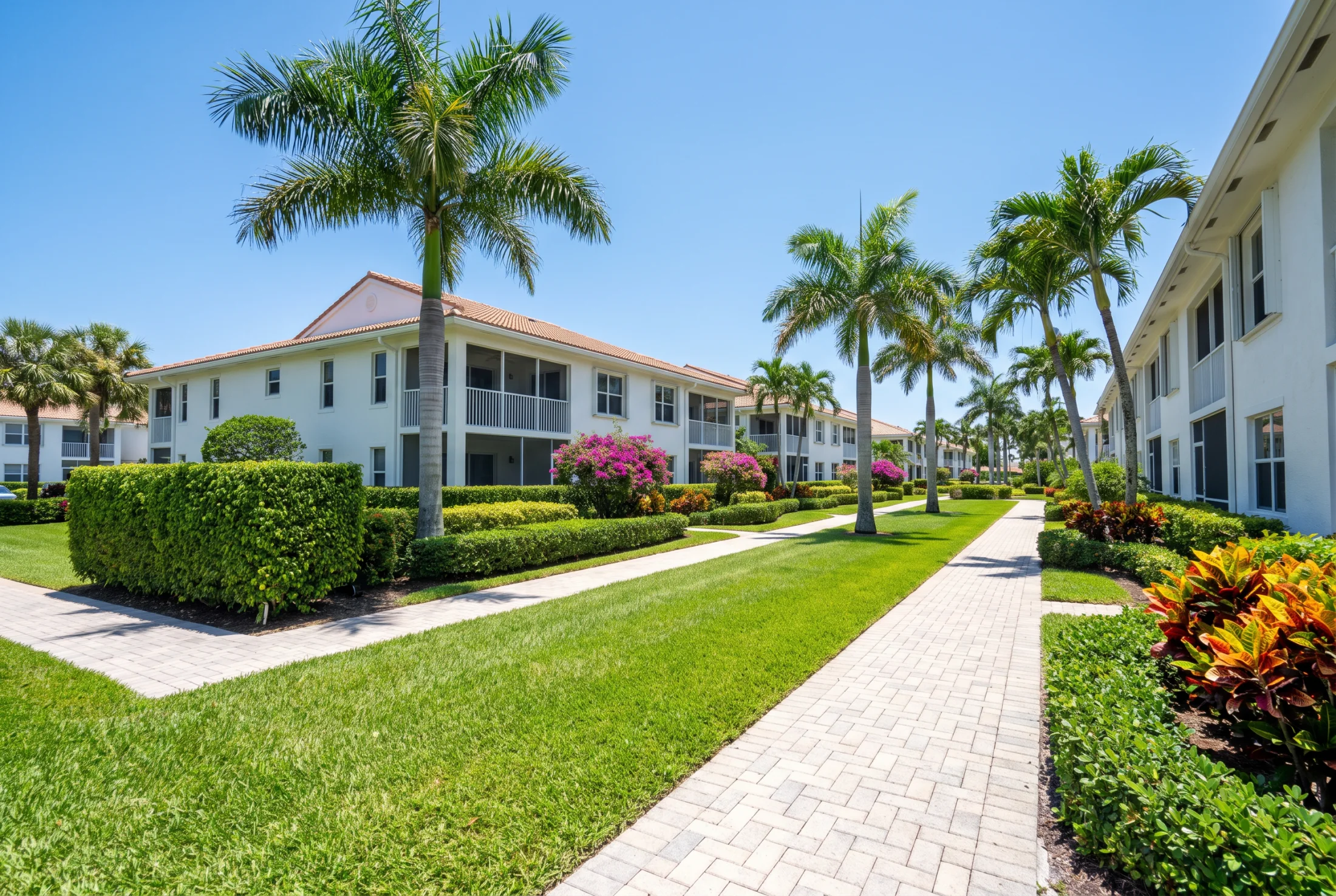
It's the first board meeting after the seasonal residents come back, and the first item in open forum isn't the budget. It's the front entrance. The color bed by the monument sign looks thin, the hedge along the gatehouse has a gap where a plant quietly died over the summer, and somebody brought a photo.
Now the board is approving enhancement work in a hurry, at the point in the year when the property is most on display and every decision gets second-guessed. Landscape enhancements in Wellington, FL go a lot better when they're planned while the community is quiet, not when it's full.
Because on most properties it's treated as a reaction. Summer in Palm Beach County is hard on plants. Heat, heavy rain, and the occasional storm wear things down gradually, and gradual decline is easy to ignore until it isn't.
There's also a structural reason. On many commercial and HOA properties, routine maintenance and enhancement work sit in separate parts of the budget. That means a dead shrub can sit in a bed for months, being neatly edged around every visit, because replacing it was never in anyone's scope. Nobody did anything wrong. Nobody did anything at all.
By the time residents or tenants start noticing, the property is already behind, and the fix gets squeezed into the busiest stretch of the year.
Start where people form their opinions. For an HOA in Wellington, that's usually the main entrance, the monument sign, the drive in from the gate, and the clubhouse. For a commercial building or retail property, it's the frontage, the parking lot islands people walk past, and the area around the main doors.
Then look at the spots that generate complaints. Every property has a few. The bed next to the mailboxes. The corner where the hedge has thinned out and you can see straight into the dumpster enclosure. If the same area comes up in emails every year, it belongs near the top of the list.
Everything else can wait for a second phase. Not every bed needs attention before season, and pretending otherwise is how enhancement plans get rejected outright.
If a healthy bed lost a plant or two, replace them and move on. That's the easy case.
The harder case is the bed that keeps failing. If you've replaced the same plants in the same spot more than once, the plant probably isn't the problem. The bed is. Common culprits include:
Putting the same species back into the same conditions is paying twice for one result. A redesign might mean different plant material, better spacing, or fixing standing water first. If water is the issue, it's worth reading about French drains and drainage solutions before anything new goes in, because new plants won't outlast a drainage problem.
A few things, and skipping them is how fresh installs turn brown.
Water coverage. New plantings need consistent water to establish. Before you approve an install, make sure the existing system actually reaches the new beds, and have that conversation with whoever services your irrigation. Watering restrictions vary by location, so check the current rules with your city or Palm Beach County before planning around a schedule.
Approvals. Many communities have architectural review or landscape standards that apply to common areas. Get that sorted before work is scheduled, not after the plants are on site.
The trees overhead. If a large canopy is shading out a bed, new groundcover underneath won't fix it. Sometimes the right first step is tree trimming so the bed gets enough light to support what you plant.
Think in two passes. The first covers high-visibility areas that need to look right before the community fills up. The second covers larger redesigns and lower-priority beds that can be scheduled once the busy season settles down.
Phasing does a few useful things. It spreads the cost across budget periods. It gives the board time to see results in one area before approving the next. And it keeps enhancement work from crowding your regular maintenance schedule, which matters if your crews are on site every week.
It also changes the tone of the board meeting. Approving a planned first phase in a calm meeting is a very different experience from defending a rushed fix in front of residents holding photos.
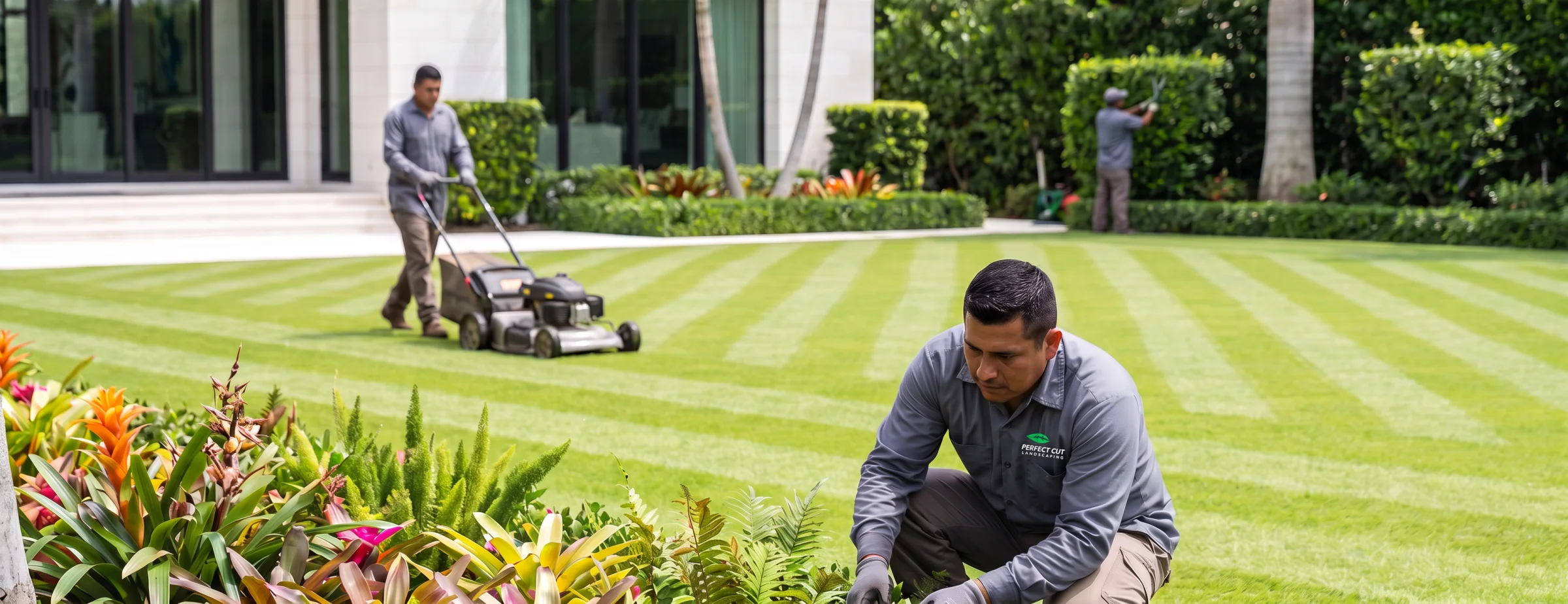
Perfect Cut is a commercial-first company working throughout key areas of Palm Beach County, including Wellington. We handle landscape enhancements alongside full-service maintenance, so new beds are planned with ongoing care in mind.
We work with boards and property managers to sort out what's failing and why, decide what's worth replacing versus redesigning, and plan the work in an order that makes sense for the property. If you manage a community, our page on HOA landscaping for condos covers how we work with associations.
When should an HOA plan landscape enhancements in Wellington, FL? Before the seasonal residents return, while the property is quieter and the board has time to approve work without pressure.
Should we replace dead plants or redesign the bed? Replace them if the bed is otherwise healthy. If the same spot keeps failing, fix the cause first, whether that's light, water, or root competition.
Do enhancements have to be done all at once? No. Phasing high-visibility areas first and larger projects later is usually easier on the budget and the board.
If your property needs landscape enhancements in Wellington, FL, call Perfect Cut Landscaping at (561) 513-5296 or reach us through our contact form.
Tell us about your property and we will arrange a site walk and a clear proposal. No pressure, no vague numbers.
Begin Your Property Review