.png?width=160&height=160&name=Perfect-Cut-Logo%20(white%20and%20green).png "Perfect Cut Logo")
The First 30 Days of Commercial Landscaping for Property Managers in Boynton Beach, FL
Sep 24, 2026, 8:35:50 PM
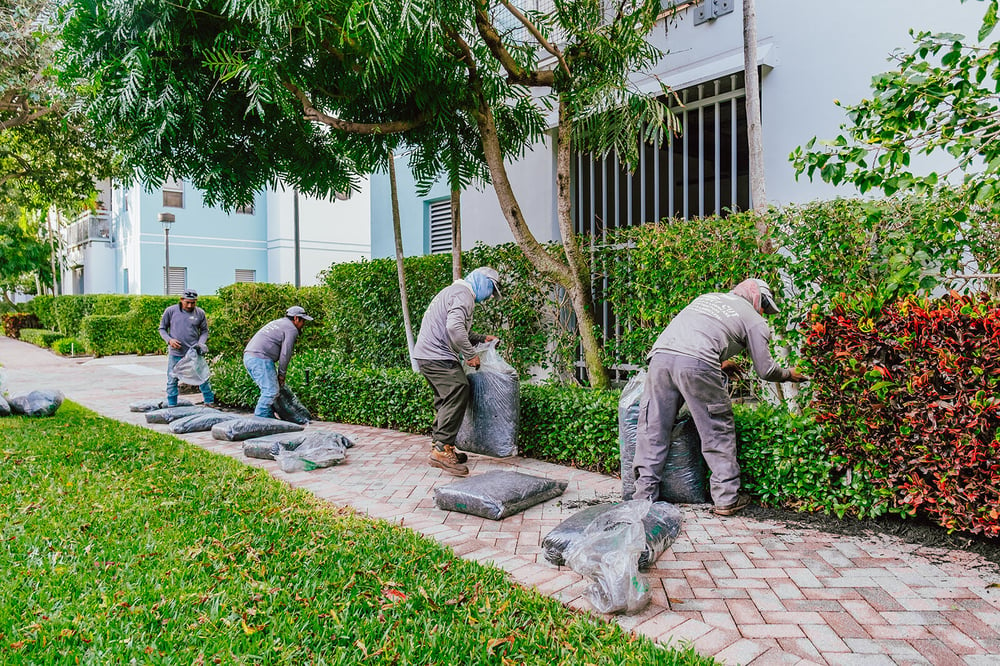
Switching vendors mid-year is the part of commercial landscaping for property managers in Boynton Beach, FL that nobody plans well. The decision gets made in a board meeting, the notice goes out, and then a new crew arrives on a site carrying a year of deferred work that is not in anyone's scope.
Perfect Cut focuses on completing the full scope every visit so properties remain clean, safe, and complaint-free. That standard is easy to state and harder to inherit.
What follows is the sequence that makes a transfer go quietly, and the questions worth asking an incoming contractor before the first visit.
What Should Happen Before the First Crew Visit?
A documented site walk with the incoming account manager and, ideally, you. Photographs of every zone, notes on irrigation heads, drainage points, tree conditions and any turf already thin.
That record is what settles the argument three months later, when a bare patch appears and nobody can say if the new crew caused it or inherited it. Without it, the new contractor owns every problem on the property by default.
The walk is also where access gets sorted. Gate codes, restricted hours, resident parking patterns and the corners a mower cannot reach all affect the schedule, and finding them out on day one costs a visit.
How Does the New Scope Get Matched Against the Old Contract?
Line by line, and the gaps are the point. Mowing frequency, bed detail cycles, palm trimming intervals, fertilization rounds and irrigation checks rarely map cleanly between two agreements.
A contractor who reviews the outgoing scope and flags what is missing gives you something you can take to ownership. Existing scopes can be reviewed and matched where it makes sense, and gaps flagged so you can compare proposals more clearly.
Ask for the comparison in the same format as your current agreement. Two documents in the same layout make a board decision quick, while two different formats turn the meeting into an argument about what is actually being compared.
What Is Deferred Work, and Who Pays for It?
Deferred work is everything the previous arrangement quietly stopped doing. Hedges grown past their intended line, mulch two seasons old, irrigation zones running dry, palms overdue for trimming.
None of it belongs in a recurring maintenance figure, and pretending otherwise means either the property stays behind or the contractor takes a loss and starts cutting corners. It should be priced separately as a one-time restoration.
Separating it protects the budget conversation as well. A restoration line item can be phased, deferred to the next fiscal year or approved in stages, none of which is possible once it disappears inside a monthly number.
How Long Before the Property Looks Different?
On a South Florida site, visible change usually arrives inside three to four weeks, because growth here is fast enough to reward attention quickly. Hedge lines square up on the second or third visit. Bed edges read immediately.
Turf recovery takes longer and depends on irrigation, which is often the real problem underneath a property that has been declining. A zone that has not run properly in a year does not fix itself once mowing improves.
Set expectations with the board at the same time. Telling residents what changes in month one and what takes a season is far easier than answering complaints about a corner that was always going to need until spring.
Related: Commercial Landscape Upgrades in Boynton Beach, FL: Keeping Your Property Ahead
What Should Reporting Look Like in the First Month?
Frequent enough that you are not chasing it. A visit record showing what was completed, a note on anything found, and a named person who answers the phone.
Property managers rarely want more paperwork; they want to stop fielding resident emails about the same overgrown corner. You can see how we scope HOA and property manager accounts around completing the full scope on each visit rather than partial passes.
The first month is also when the escalation path gets tested. Find out who to call about an irrigation break on a Saturday before you need to know, rather than during the first storm of the season.
When Is the Right Time to Make the Switch?
Ahead of the growing season rather than during it, and ahead of storm season rather than after. Autumn transfers give a new contractor time to restore hedge lines and irrigation before spring growth outpaces the crew.
A transfer in June means the property is playing catch-up in the wettest, fastest-growing part of the year. It also puts a new crew on an unfamiliar site during the months when storm response matters most.
Work backwards from the notice period when you plan it. A thirty day notice served in October puts a new contractor on the property in November with the whole dry season ahead of them.
Ask Us to Walk Your Property First
Before you make a change, have someone walk the site and tell you what is actually there. The record from that walk is what keeps the recurring number honest and the restoration work visible as its own line.
Perfect Cut will document the property, match the scope against your current agreement, and price restoration separately. Call us and we will put a site walk on the calendar for your Boynton Beach property.
In Summary
How much notice does a landscape contract in Boynton Beach usually require?
Thirty days is the most common term on commercial agreements in Palm Beach County, though sixty appears on larger portfolios. Check the auto-renewal clause as well, since the notice window often closes before the renewal date you have in mind.
Can a new contractor start mid-contract on a multi-property portfolio?
Staggering the start dates across properties is usually the smoother route. Perfect Cut settles routes and equipment on one site before the rest transfer, which reduces the missed visits that make a transition visible to residents.
Does a vendor change affect irrigation warranties or existing repairs?
It can, so the site walk should record open repairs and any parts under warranty from the previous contractor. Documenting that at handover avoids a dispute later about who is responsible for a zone that fails in the first few months.
Related: What Smart Property Owners Expect From Commercial Landscaping in Boynton Beach, FL